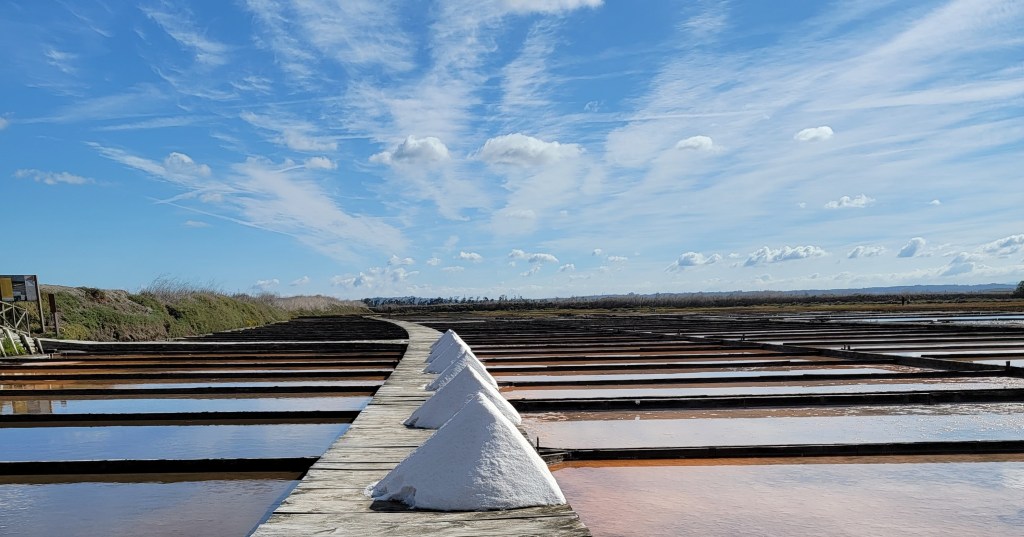
Núcleo Museológico do Sal
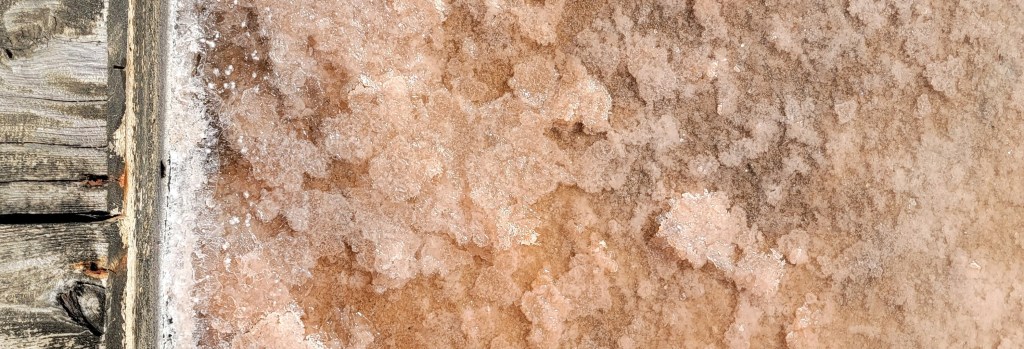
Both of the Airbnbs I’ve lived in provided a little jar of rough sea salt in the kitchen. It’s better than the store brands I’m used to, with a sweet tang that amps up the flavor of any dish. The Núcleo Museológico do Sal is a museum here in Figueira da Foz, dedicated to educating and preserving the traditional salt pan method of harvesting sea salt. It was time to explore the source of this epicurean stalwart.
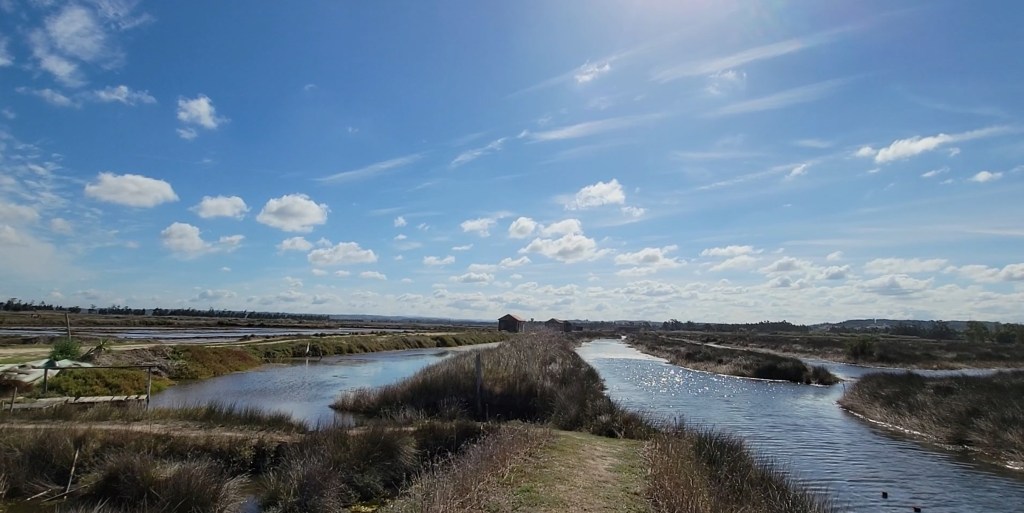
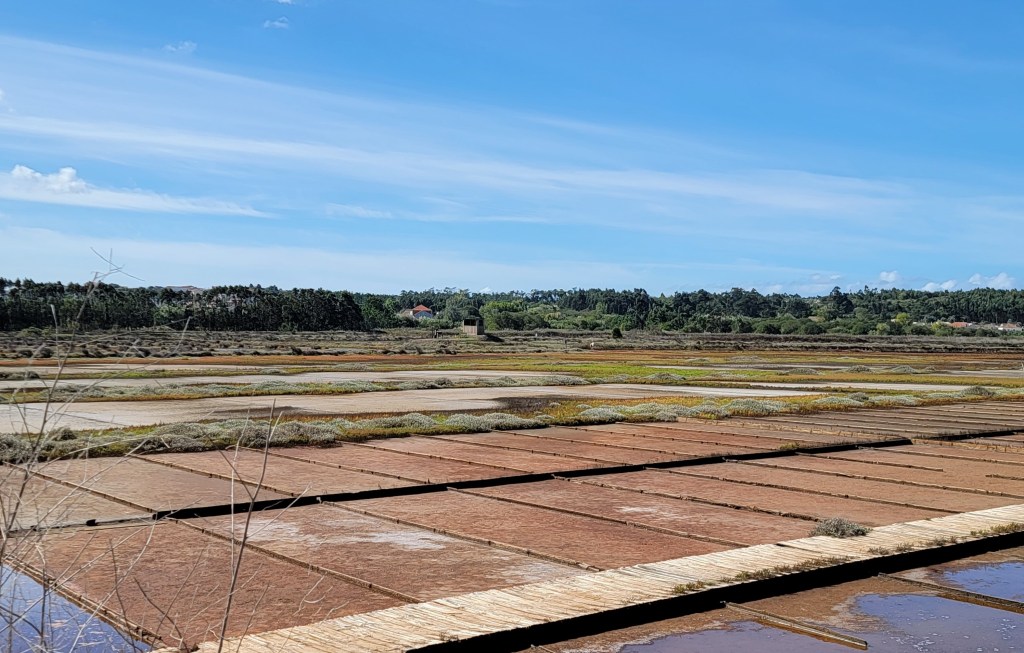
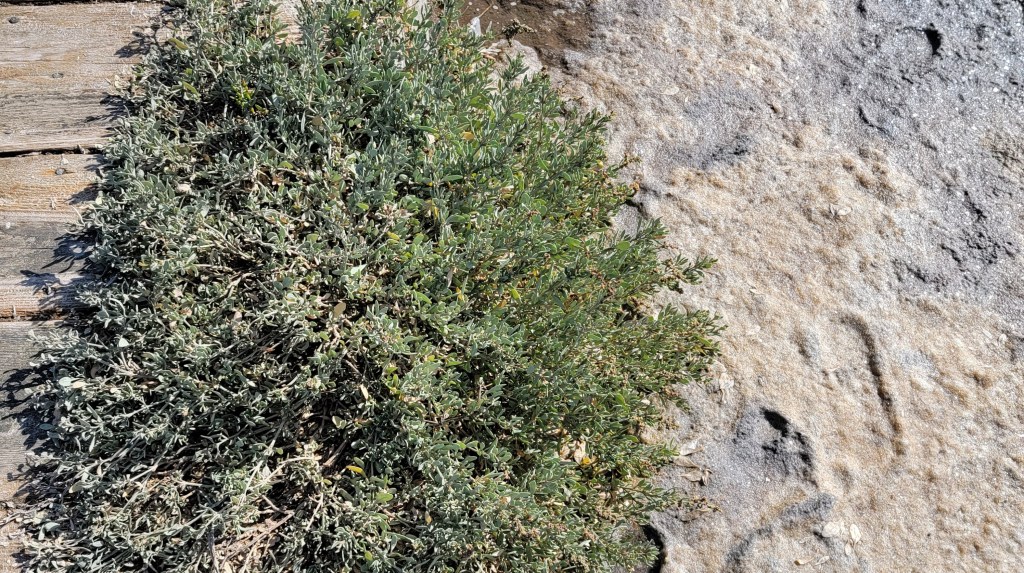
The taxi progressed down increasingly narrow roads and then turned onto a one-lane dirt path between waterways and tall marsh grass. After bouncing along about a half mile, we arrived at the small museum housed in a former salt warehouse. It was surrounded by miles of channels dedicated to holding ocean water for evaporation and extraction. A clean, sharp wind from the north rustled the grasses.
According to museum information,
“The earliest evidence of salt production in Portugal dates back to the year 959, but the practice is likely even older. Salt played a fundamental role in Portuguese exploration of the globe through the centuries. It was not only used to enhance the flavor of food but also to preserve it, which was of great help on long journeys. The importance of salt grew so much that by the year 1178, the mineral became one of Portugal’s main exports.”

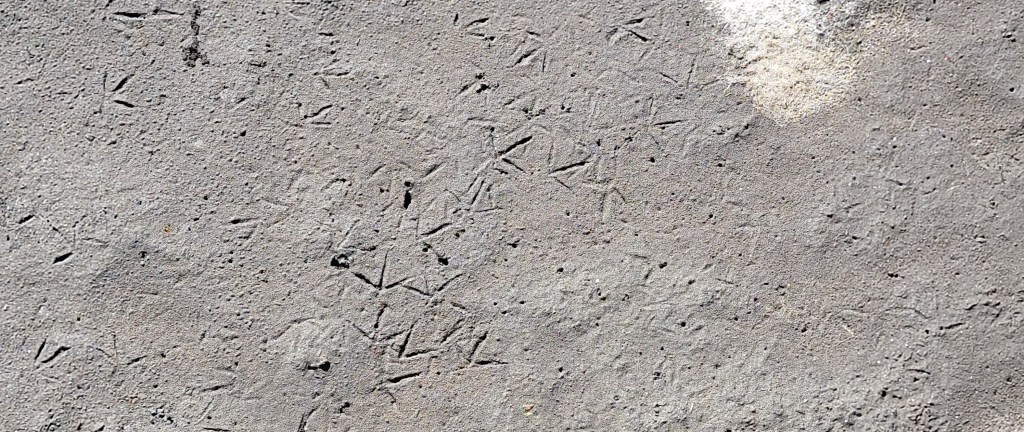
Salt production was a highly technical craft. Today the industry is much reduced, and the area I saw covered more or less 400 acres compared to what was once over 1,000 acres. It is a valuable ecosystem that supports all kinds of bird and marine life. I saw a lot of flamingos, but they were too far away for a good picture.

For Portuguese natives and experts, please forgive any inaccuracies in history or facts in these blogs. I am a rank student beginner, with optimism that as I learn, I’ll improve.
Apartment Update
I take possession this Saturday, October 1! I’ll take a Flix Bus from Figueira da Foz back to Porto Saturday morning.

 Mamie Moves to Portugal
Leave a comment