
This blog was written in August, in Porto, before I left for Figueira da Foz.
The lavandeira, or laundromat, that I go to is clean and fully automated. You don’t even have to add soap. The touch screen commands are in Portuguese, French, English and Spanish. It happily consumes whatever size bill you insert and spits back correct change. An older couple came in with a large bag of laundry. Clearly their first time, I could hear them talking in a soft Spanish-sounding language, then she began speaking American in a Miami-Cuban sounding accent. I asked if they needed help and walked them through the process, to their appreciation.
Conversation began, the way travelers in a strange land easily connect. They left Ecuador for the United States when they were young, began with nothing and worked hard to become successful American citizens. He earned his engineering degree. They raised successful kids who went on to get their own advanced degrees. One lives in San Diego and another works at Duke University. Now retired, they were enjoying the luxury of being able to travel.
Conversing with them was a reminder that immigration is the lifeblood that nourishes the United States. Steve Jobs’ father was a Syrian immigrant. Jeff Bezos’ father immigrated from Cuba. Google cofounder Sergey Brin immigrated from Russia. How much poorer America would be without them.
Portugal has a history of emigration. Some say they initiated the first global economy.
They established colonies in Brazil, western and eastern African coasts, India, China, Japan, and throughout South Asia and the Persian Gulf, all in pursuit of spices. (Not that these actions were civil by today’s standards, but that’s another blog.)
An interesting fact I learned from Walking Europe’s Edge: Reflections on Portugal, by Stephen Powell, is “that Japanese for bread is pan, which comes from the Portuguese pão. Battered and deep-fried tempura was inspired
by Portugal’s fritter-cooking methods and is derived from tempero, the Portuguese word for seasoning.” Food itself is a global, cultural language of emigrants.

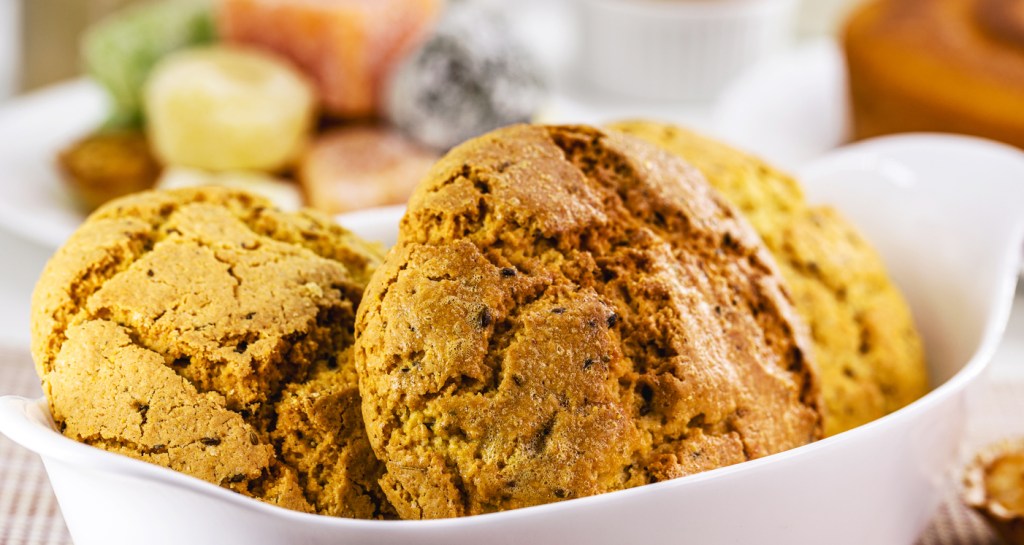
Now, it seems the cycle is reversed. Immigrants from around the world are seeking a new life here. Portugal has been invaded over the years by Spain, France, and Islamic rulers from North Africa. All have influenced the native culture. Here in Porto, the port wine industry has a tight history of trade with England, which is why a number of the famous brands have English names, like Taylor and Offley. Perhaps today’s new immigrants will add yet more flavor to the language, food, and customs of this country. Or perhaps many of us will be charmed into absorption into the Portuguese culture. One thing I know for sure: there is cornbread here, and it’s tasty. But it’s quite different from Southern cornbread in the US. That’s another blog as well.
For Portuguese natives and experts, please forgive any inaccuracies in history or facts in these blogs. I am a rank student beginner, with optimism that as I learn, I’ll improve.
Featured image is from Google Maps, street view of the A Lavandeira 2 – Self-Service Laundry, R. da Firmeza 520, 4000-226 Porto
 Mamie Moves to Portugal
Leave a comment